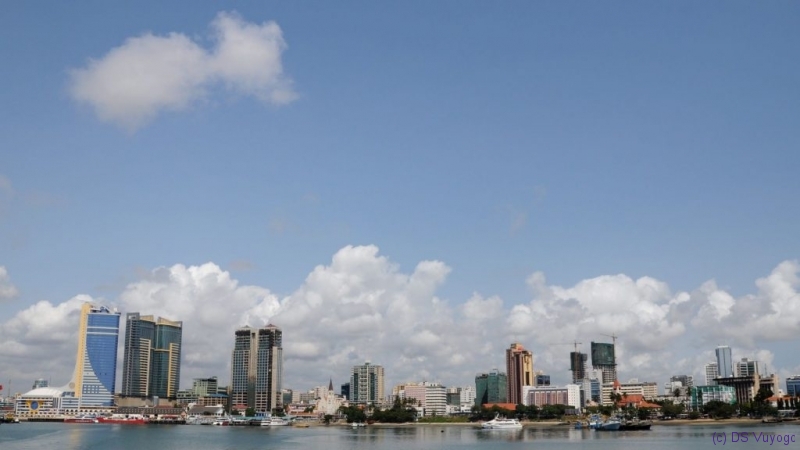
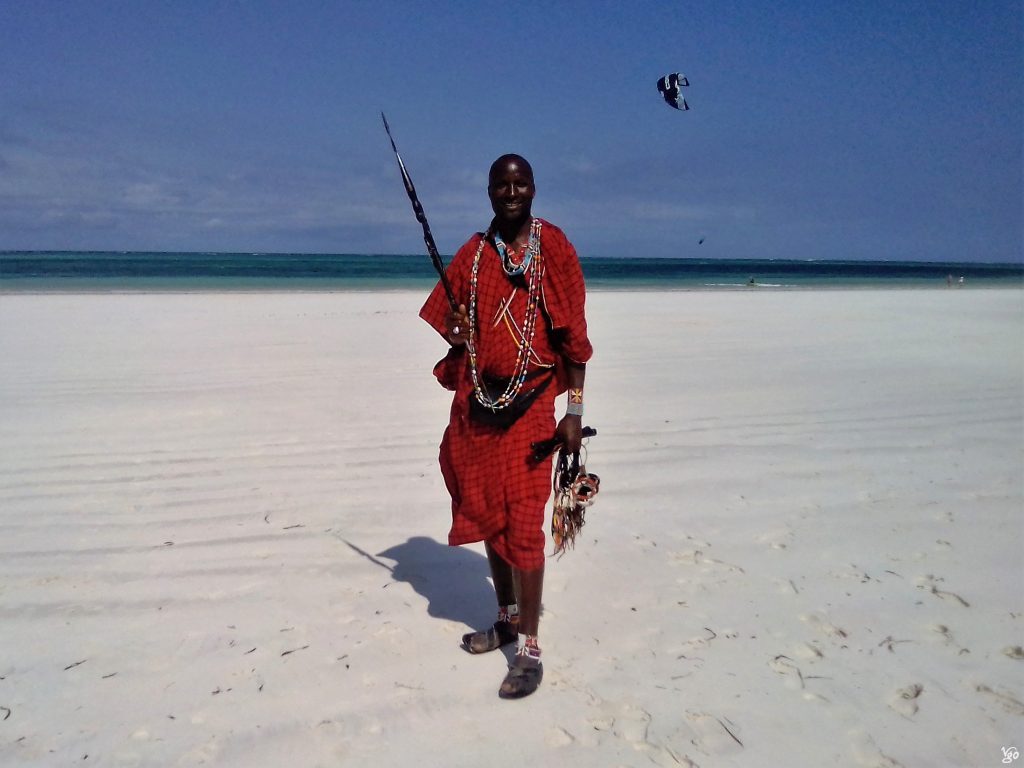
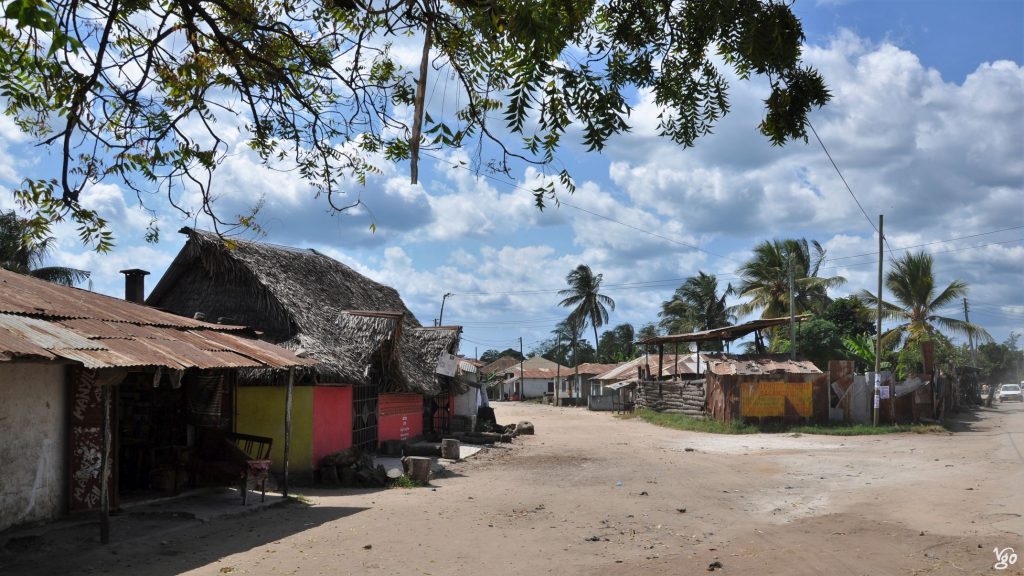
My last stop in Tanzania was to be Tanga, some 7 hours by bus from Dar es-Salaam. Getting closer to the equator, I still want to enjoy some tropical beach settings, I therefore decided to skip Mombasa for some of its nearby beaches. Unfortunately, my camera stopped working when I got to Diani Beach, hence there are only some mediocre pics from my smartphone (which doesn’t have a good camera).
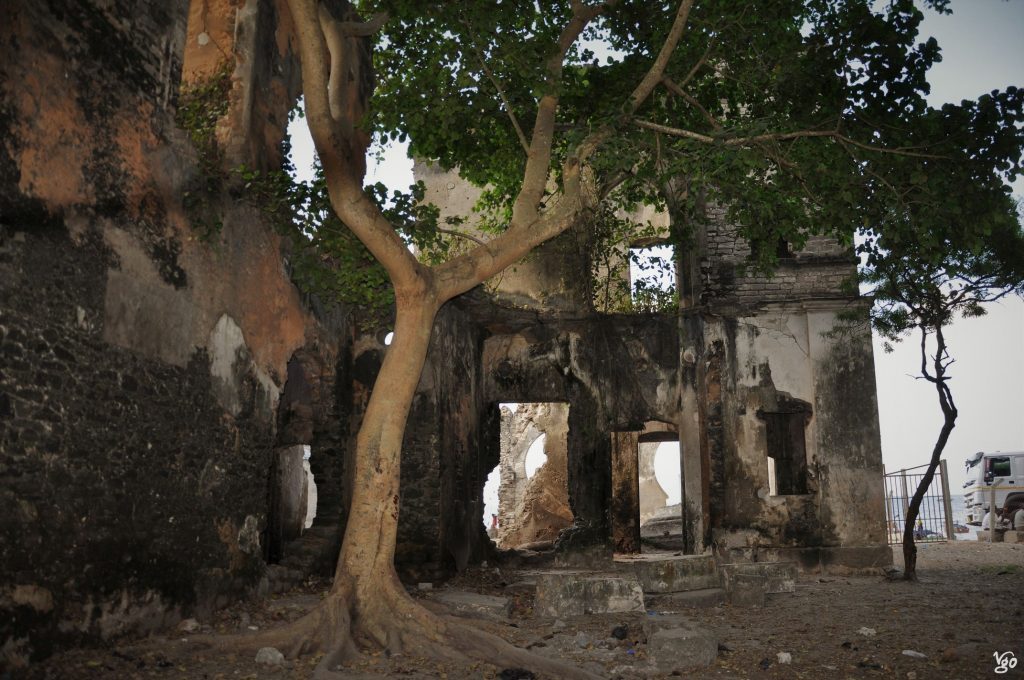
Its original name was bwaga moyo ‘lay down/rest your heart’, until German colonial troops invaded the East-African coast, allegedly unable to pronounce it properly. Thus it was distorted to its current form. Bagamoyo stands testimony, albeit in ruins, to centuries of global trade along the Swahili coast, with connections to Mombasa, Mogadishu, the Arabic peninsula, Persia and ultimately to China.
Those who know me also know that I have a special relationship to Zimbabwe, and yes, I still do, especially when it comes to music. One of my main aims this time round was to visit the tomb of Chiwoniso Maraire, who passed away in July five years ago. However, Zim more than any other one is the country that tends to create more obstacles while travelling for me, and major car issues eventually let me decide against going any extra mile. Another time!
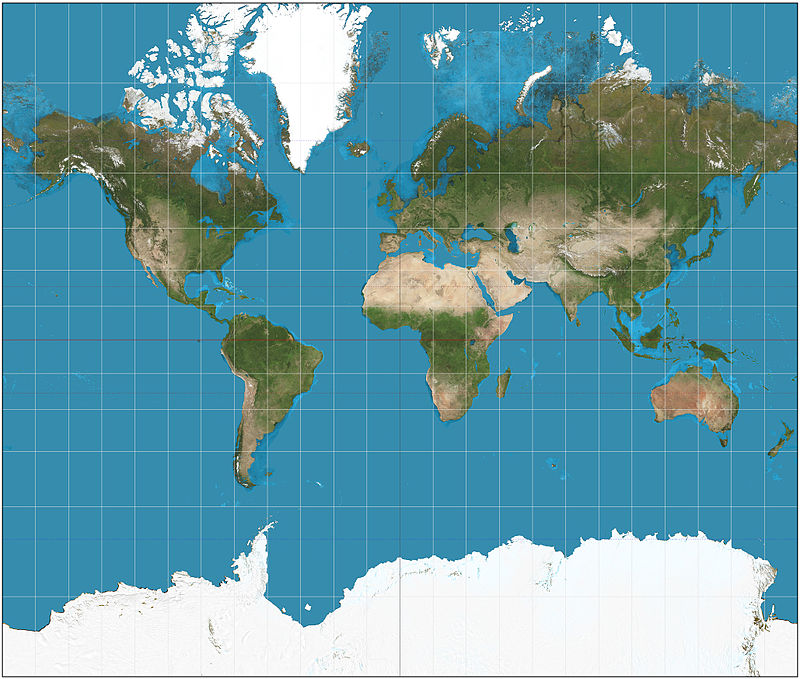
I assume, this is the world as you know it. Do you notice where your eyes keep on wandering?
My eyes magically seem to be drawn to the upper half of this map. The northern hemisphere. Many people have remarked on this, and how this is not pure chance. It is a good representation (supported by the Greenwich meridian and by our preference for golden ratio layouts, I suspect) of the power imbalance on planet earth.
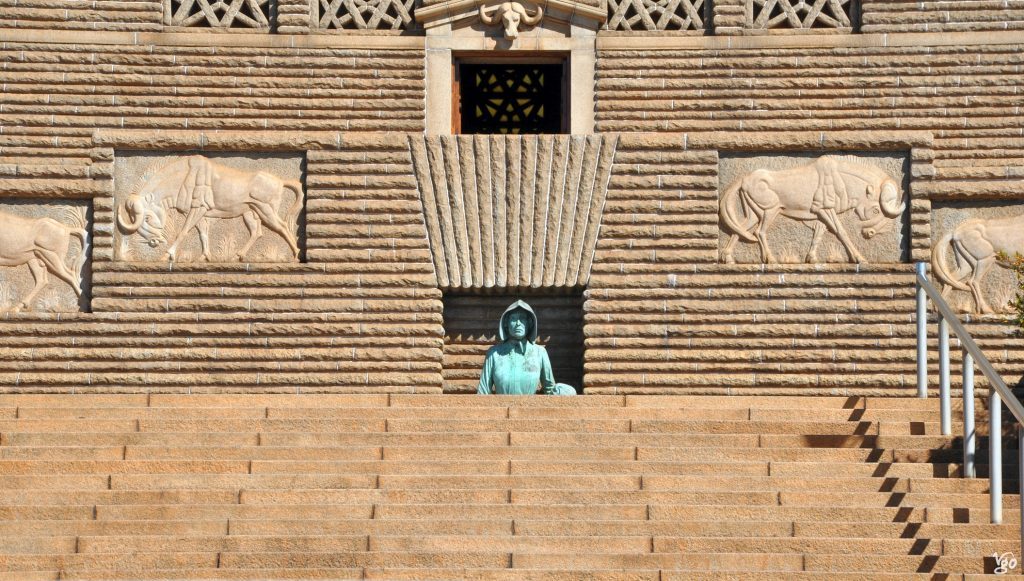
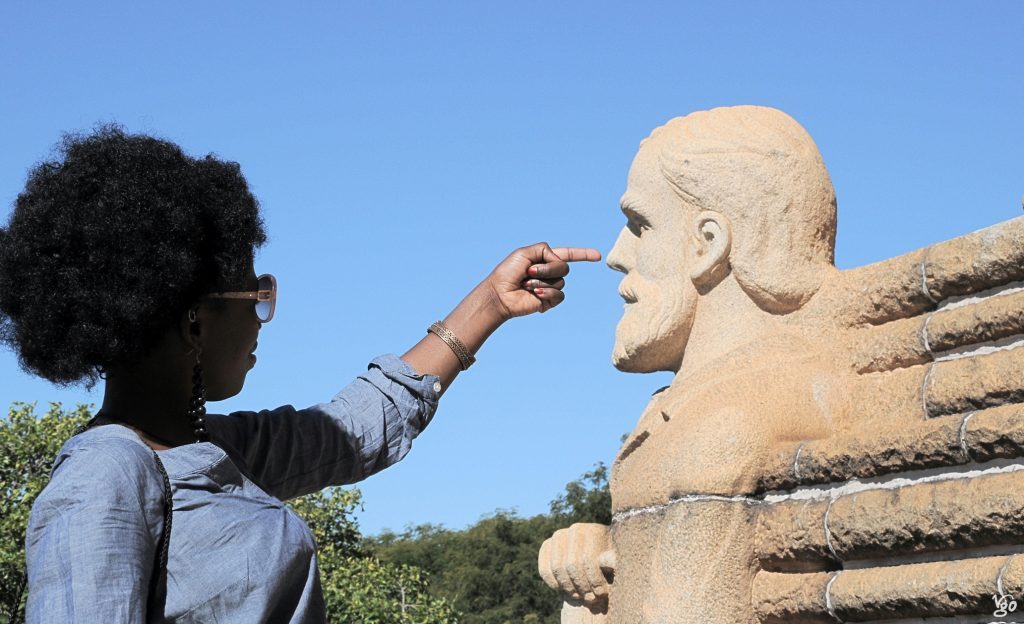
Rocks are patient. They happily bear inscriptions of all kinds, and stoically accept whatever tale human imagination imposes on them. Or break, but that usually happens only a loooooong looooong time after an engraving has been made. Engravings may wither away, and the rock palimpsest becomes open to reinterpretation …
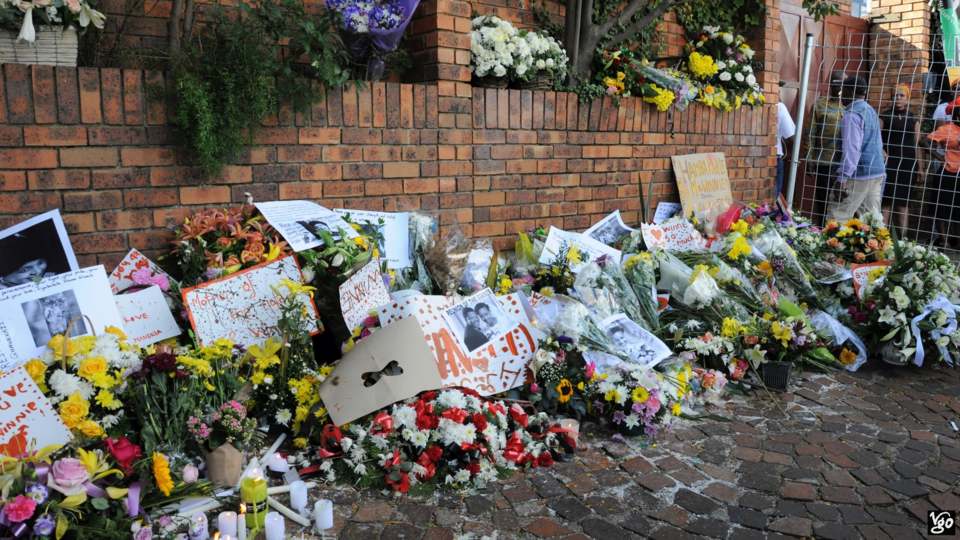
Now her, after Bra Willie and Bra Hugh the third South African icon to die while I am here. I am not in the position to write much about “Mama Winnie”, the Mother of the Nation, as Winnie Madikizela-Mandela is emphatically referred to. Her death has laid open the rifts that run through South African society – historical, racial, social, gender-related. Even in death, one might say, she polarizes, and thus her impressive legacy was not only praised but also denounced immediately after her passing, which is not just an act of highest indecency, it also echoes the rather tragic fate of a woman who found herself overshadowed by an iconic husband, belittled and vilified.
Yet her name and legacy will forever be remembered in every shouting of “Amandla – Ngawethu”, repeated a thousandfold over the two weeks after her passing, just like the thousands of “Long live!”, and most inspiringly in “She has not died, she multiplied”.
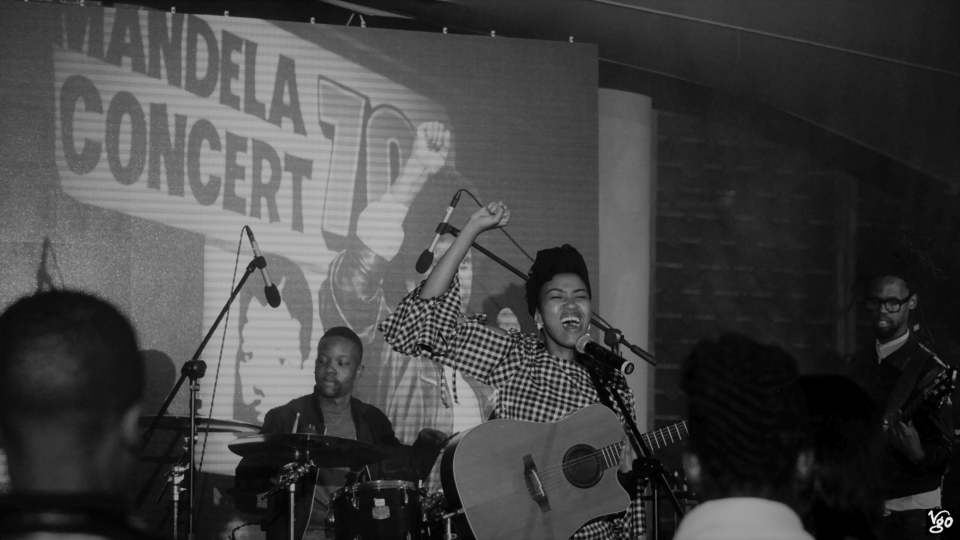
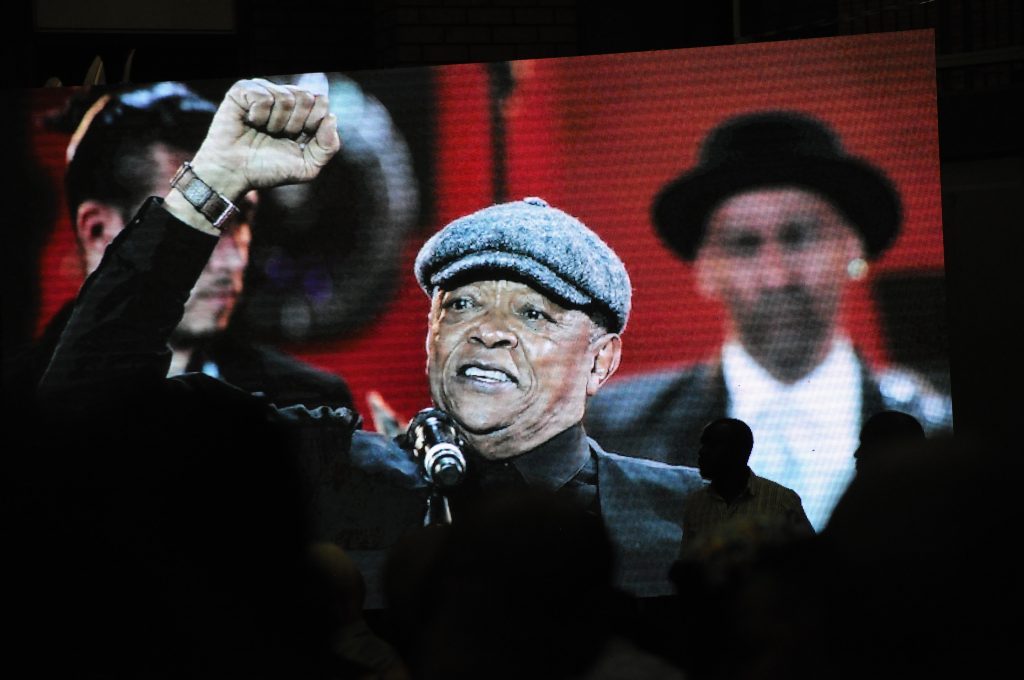
Since my arrival, two of South Africa’s greats have left us – first South African poet laureate Keorapetse William Kgositsile, or “Bra Willie” (d. 3 January), and now the father of African jazz and ambassador of African culture, Hugh Masekela, “Bra Hugh” (d. 23 January). Both were fighters for African freedom, which for both of them meant many years of exile from the South Africa under the Apartheid regime. Their view of African freedom was not only that of politics, it goes deeper, and targets what Frantz Fannon had called the “white masks” in black skin. Needless to mention, the arts, music, all of cultural heritage were, and shall I say, are vital (pun intended) in their fight.Continue reading →
The following text is partly in response to friends or anyone really who is rightfully upset and hurt by ongoing racism in the world. My fear is that this pain makes it more and more difficult for us to engage openly, and to challenge ourselves and our prejudice, or if you like: myself and my prejudices. I sense that a lot of people on the receiving end of racism are fed up with finding themselves in a position where they are asked to explain or end racism or are asked to forgive, more so than those who commit acts of racism, directly or indirectly, are willing to do the work to overcome it, or even look at potential racist behaviour, or to admit to their position of privilege.
It’s become longer than I thought, and I believe what truth there is in it is personal, thus not necessarily The capital-T Truth.
When I realized that entering Tanzania overland from Rwanda was going to be difficult, amongst other things because visas are not issued at the border, and also considering the size of the country and costs involved in entering the Serengeti or Ngorongoro, I decided to deviate from my plan, took a flight to Dar es-Salaam and cut my stay short. After all, I wanted to attend a festival in Malawi in early November, and it felt like I’m running out of time. Seriously? Anyway, my plans changed, I planned on two weeks only in Tanzania. Air Rwanda was as impressive as Rwanda itself, and the flight was truly pleasant. On that note, I’ve come to love the airport announcement tinched in heavy Bantu r/l-mixups that wish you a “prresent frright” instead of a “pleasant flight”, that’s what it sounds like anyway.
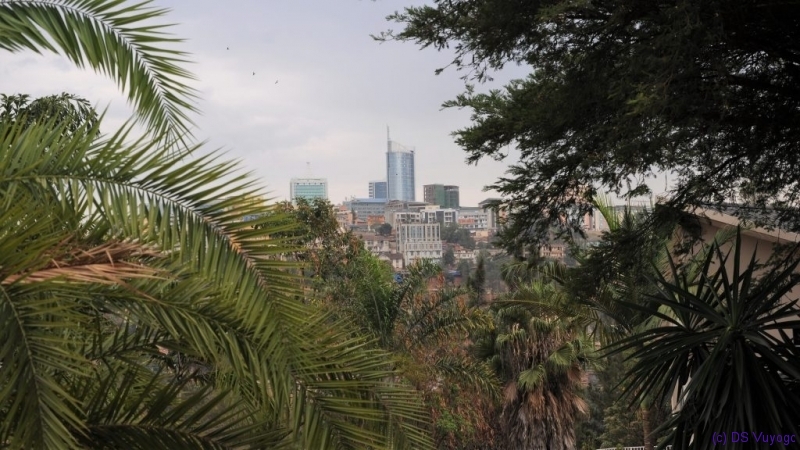
The biggest surprise so far! But slowly … Coming in from Kabale in southern Uganda, already the border police gave me the sense of correctness that would prevail through the rest of my stay in Rwanda. Driving at 60km/h, the maximum speed in the country, and for once on the right side of the road again, our bus arrived towards evening at Kigali’s Nyabugogo bus station. Since my request to be picked up had apparently not been heard, I was left at the hustle and bustle of a big African bus station, where many a dodgy looking guy is seeking his fortune from a rather clueless mzungu. It was easy enough for me though to shake most of them off quite quickly, except for one who clung to my heels as I tried to negotiate the buses, taxis and touts at the various bus stops. Helped by a guy from an internet café, I took a cab and off we went towards Murugo hostel. On the way there, I was surprised by boda-boda drivers who were actually wearing a helmet, and indeed had a helmet for passengers as well (and would insist you wear it, as I later learnt)! And almost miraculously, coming from Uganda at least, there were lots of traffic lights, on major roads with countdowns for the green light, and on major roads the corners were equipped with LEDs on the curb. Just wow! Still, the layout of the town is rather difficult, even for a local taxi driver, since most roads are numbered, and the best thing to do is to know a landmark building nearby. I later learnt that the one relevant for my hostel was the Ministry of Agriculture, though no boda-boda (here called “moto”) or taxi driver knew it by this name, nor by its French version, but only as Minagri. The habit of abbreviating words may have been inherited from the French, though that language has been largely abandoned in official contexts in 2007, and relationships with France are complicated, to put it mildly.

 Yet her name and legacy will forever be remembered in every shouting of